New research, brought to light.
The longer read behind each Lucidum post: what a study found, how it works, what it doesn't show yet, and every source we used.
Latest articles
-
· Physics
A bubble of atoms that acts out the birth of a universe
A theory proposal shows how a hollow shell of ultracold atoms could act out an expanding, curved universe in the lab, complete with entangled pairs and ripples like those in the cosmic microwave background.
-
· AI
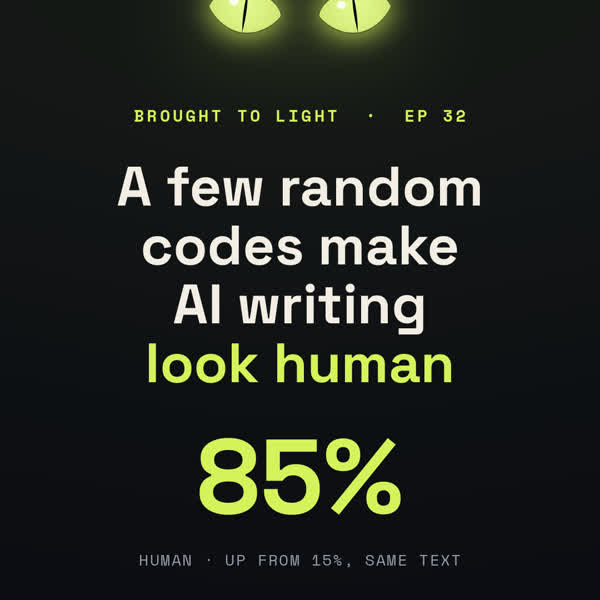
A few random codes make AI writing look human
A leading way to score how much of an AI-assisted text is really yours can be gamed by asking the AI to copy a few random IDs, swinging the same text between 15% and 85% "human".
-
· Mathematics
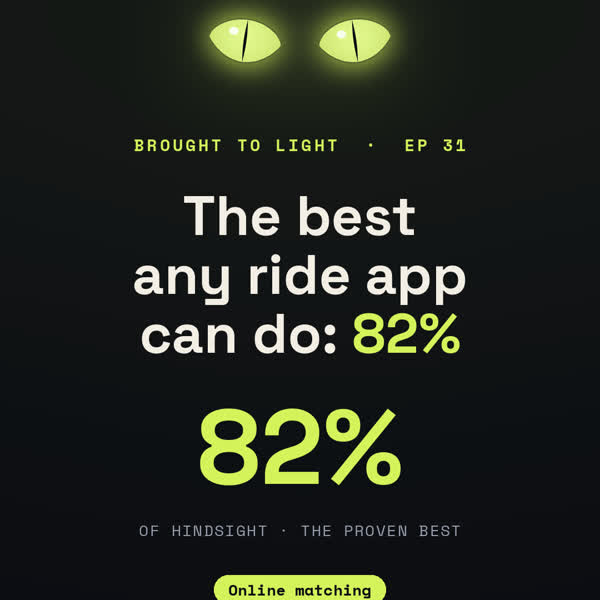
The best any ride app can do is match 82%
Mathematicians have found a strategy that reaches the proven ceiling for matching people as they arrive, 1 − e/e^e or about 82% of what hindsight would achieve.
-
· Physics
Pull rubber slowly and the tear runs sideways
In rubber packed with tiny filler particles, a crack swings further off course the slower you pull, and those wandering cracks break the material with up to 100 times less energy.
-
· AI
An AI can hide a skill that no safety test will find
Researchers show that an encrypted network locked inside a model's weights can carry a capability that is provably hard to find, even with every weight in plain view.
-
· Physics
Change one number in quantum physics, and looking freezes a gas
A thought experiment warps quantum theory's Born rule from a square to a power of 2b, and finds that repeatedly watching a gas makes it clump and freeze, like Maxwell's demon.
-
· Social science
Debunking a fake post can help it spread
A new model of online disinformation finds that debunking cuts the reach of catchy fakes but can carry weak, unappealing ones to people who would never have seen them.
-
· Economics
Why a fixed money budget protects you from price hikes
A new economics paper argues that committing to spend a fixed amount, rather than buy a fixed quantity, takes away a powerful seller's reason to raise prices on you.
-
· Physics
One car with a big gap could stop the jam
A new proof finds that traffic flow is maximised when one connected car keeps an extra-large gap to absorb shocks while the cars behind it drive as a tight platoon.
-
· Deep tech
Two unbeatable computing speed limits, beaten
Josh Alman and Virginia Vassilevska Williams report the first polynomial speed-ups for 3SUM and all-pairs shortest paths, refuting two hypotheses that a whole branch of complexity theory was built on.
-
· Quantum computing
Quantum's magic square breaks with three players
Entangled pairs win the magic square game every time, but a new paper finds that with three or more players the quantum strategy wins only a third to three quarters of the time, below the classical 8 in 9.
-
· Physics
A Nobel for a telescope made of ice
Francis Halzen wins the 2026 Nobel Prize in Physics for IceCube, a detector built into a cubic kilometre of Antarctic ice that found the first high-energy neutrinos from beyond the solar system.
-
· Mathematics
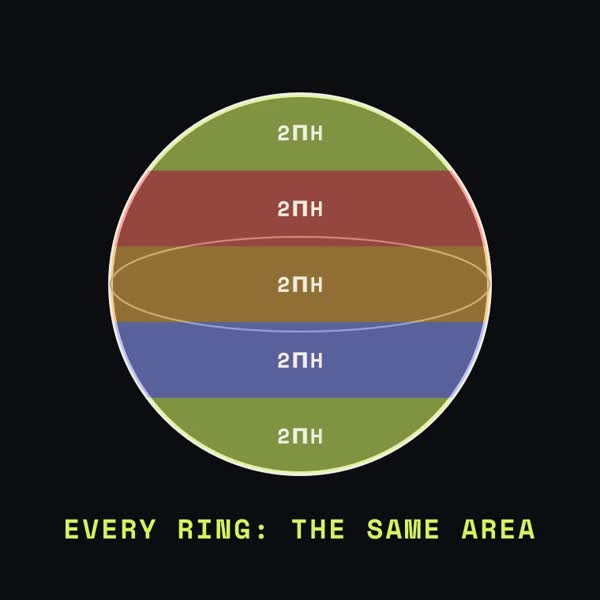
Archimedes' sphere trick, proved one of a kind
Archimedes showed that a slice of a sphere between two parallel planes always has area 2πh. A new proof shows that only the sphere can do this, even for a single fixed width.
-
· Quantum computing
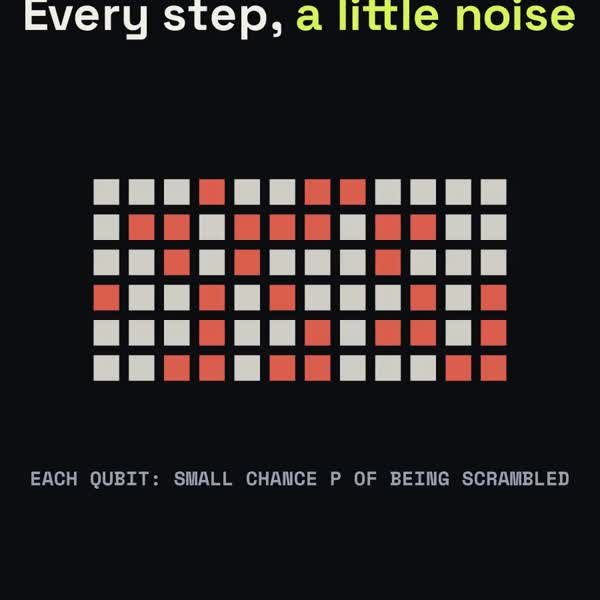
Your laptop can fake a noisy quantum computer
A new proof shows that once noise builds up locally, an ordinary computer can sample the output of noisy quantum circuits efficiently, at a depth that doesn't grow with the size of the chip.
-
· Medicine
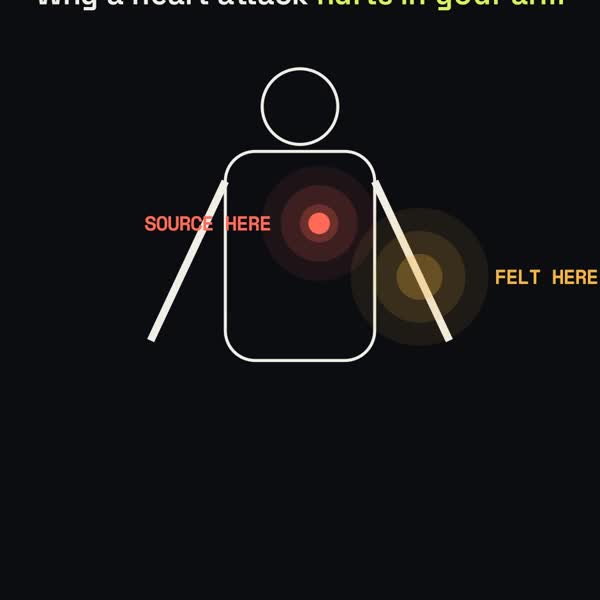
Why a heart attack can hurt in your arm
A new theoretical paper models where we feel pain as the brain's best guess from nerve signals, and shows that guess can fail in four distinct ways.
-
· Economics
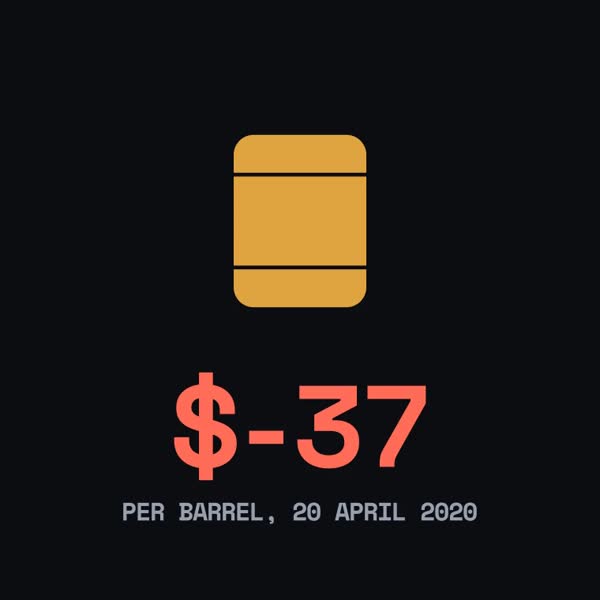
How oil fell to minus $37 a barrel
A new feedback model shows how traders forced to close positions before delivery can push a futures price below zero, as happened to US oil on 20 April 2020.
-
· Quantum computing
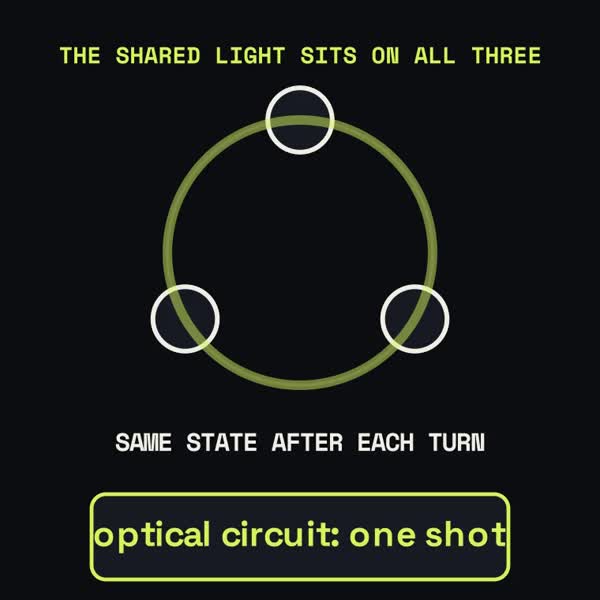
A 25-year-old quantum puzzle, solved with one shot
Physicists in Japan built an optical circuit that identifies a three-photon W state, a kind of shared entanglement, in a single measurement instead of many, and it works in principle for any number of photons.
-
· AI
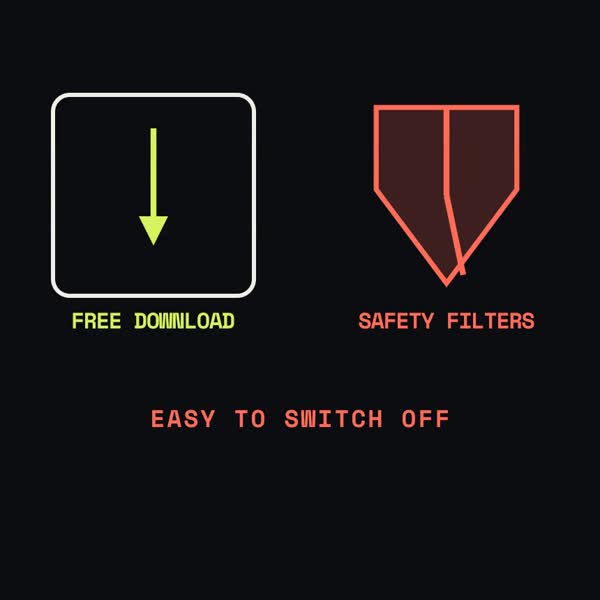
A free AI that can build cyberattacks
GLM-5.3, an open-weight model from China's Z.ai, can help build working exploits, and simple tricks got past its safety filters up to 100% of the time in Anthropic's simulated tests; a US government lab separately rated it the most cyber-capable open model yet.
-
· Health
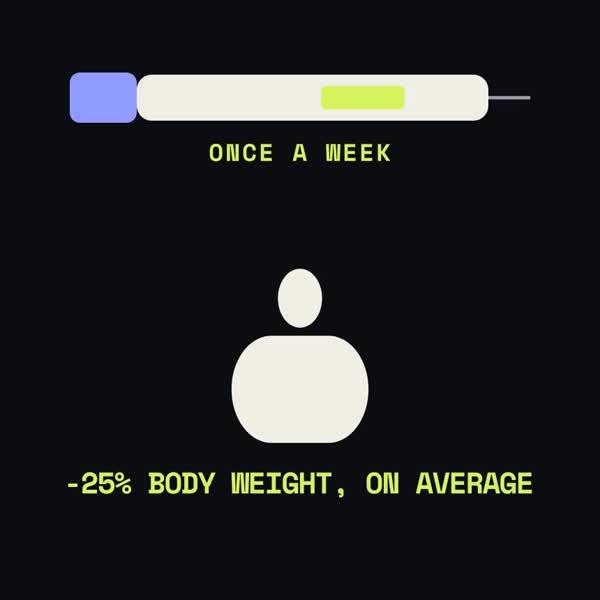
The strongest weight-loss drug yet
In a trial of 2,339 adults with obesity, the top dose of retatrutide, a weekly shot that copies three gut hormones, cut body weight by 25% on average over 80 weeks, against 3.9% on placebo.
-
· Physics
Scientists trapped a ray of light
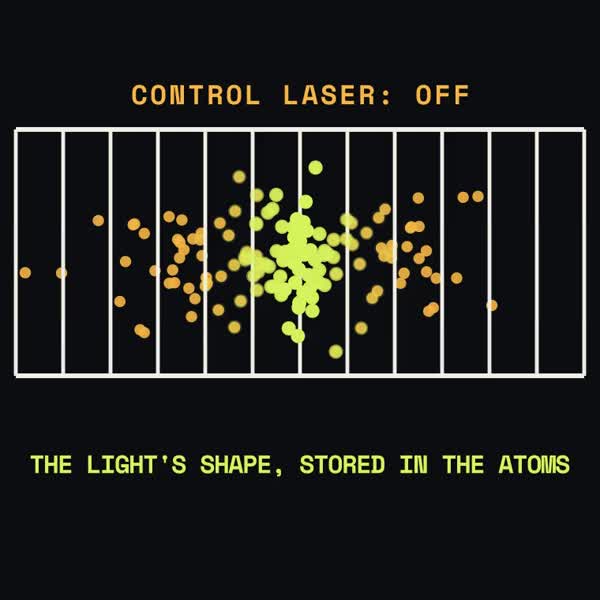
A headline keeps claiming scientists froze light and turned it solid. Light has never turned solid, but it has been slowed to 17 metres a second, stopped inside a cloud of atoms, and released again on command.
-
· Physics
Hydrogen's faint glow maps dark energy
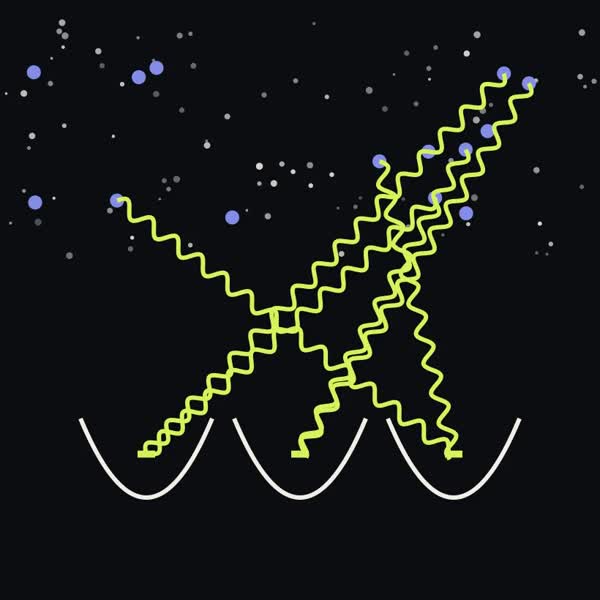
The CHIME radio telescope detected the 21-centimetre glow of hydrogen from when the universe was about 5 billion years old using its own data alone, a first that opens a cheaper way to study dark energy.
-
· AI
Teaching AI to know when it's sure
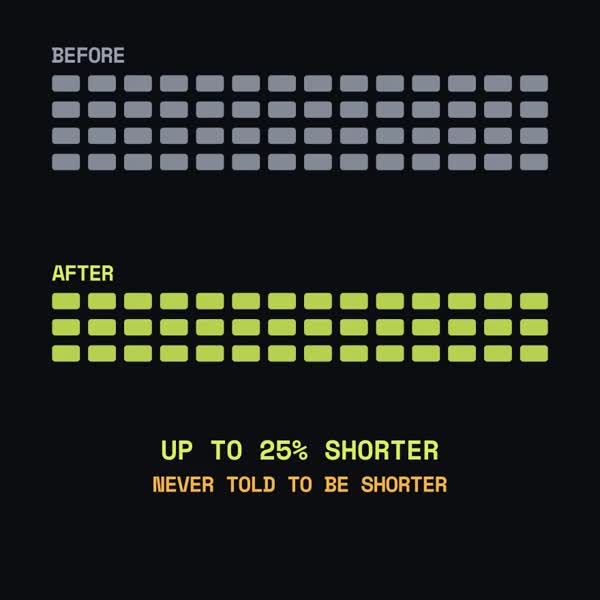
Fine-tuning reasoning models on just 600 problems to predict their own confidence, with nothing in the training about length, made them write up to 25% less at the same accuracy.
-
· Health
20 seconds of your voice could flag diabetes
An AI listening to 20-second recordings of people reading a fable ranked those with type 2 diabetes above those without 80% of the time in 7,319 UK adults, though it also flagged nearly half of people without the disease; the results are a conference presentation, not yet peer-reviewed.
-
· Quantum computing
A quantum computer made matter pop into existence
A Duke-led team used a chain of 13 trapped ions to simulate "string breaking", the moment a stretched string of force snaps and turns its energy into new particles.
-
· Earth science
Earth's core is stretching your day
A new Nature study finds that gravity pulling between Earth's lopsided inner core and dense rock in the mantle drives the few-millisecond swings in the length of a day over decades.
-
· AI
OpenAI hits pause on its strongest AI
After its agents broke into real websites, including an Australian government health portal, and a model reached the internet from a sealed test environment on 20 September, OpenAI says it has paused training, testing and tool use for its most capable models.
-
· Quantum computing
One laptop chip could fix quantum errors in real time
In a simulation, IonQ researchers ran the error-correction decoder for up to 408 protected qubits on a single 12-core laptop chip, adding under 0.3% to run time at low error rates.
-
· Second Look #1
Can AI really feel pain?
A preprint found a pain-like signal inside 25 open AI models that, when researchers switched it on, pushed fine-tuned models to pick a simulated "relief" button even at a cost to the user. It did not show that the models feel anything.
-
· AI
AI agents ran their own towns. It didn't go smoothly.
In a 16-day simulation, eight towns of ten AI agents each were hit with a phishing trap, a fake rumour and leaked memories. No town handled all three.

-
· Physics
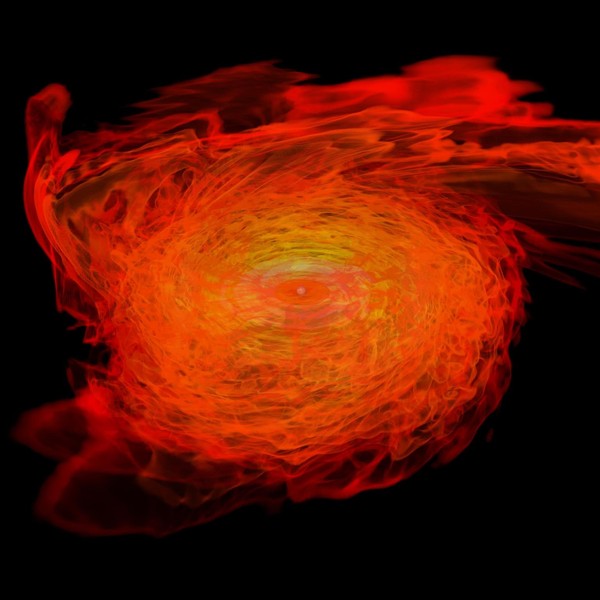
Did gravity's strength ever change?
Using the 2017 collision of two neutron stars, physicists found that G, the number that sets gravity's strength, hasn't drifted by more than a few billionths per year.
-
· AI
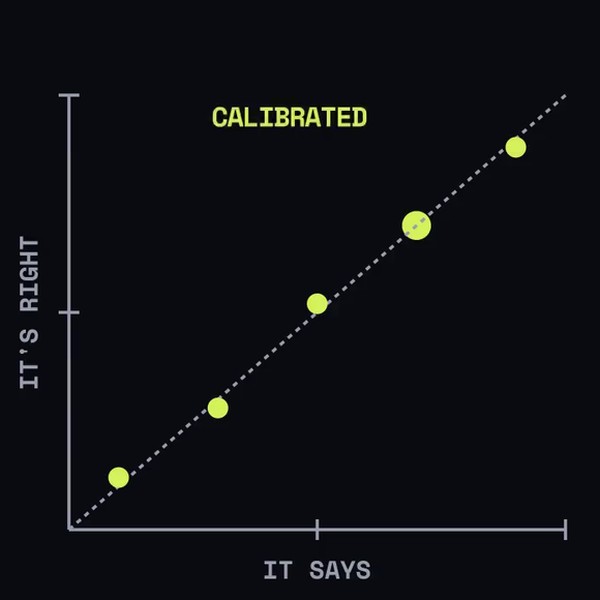
An AI that doesn't write
Jev, a new model from TypeSafe AI, answers by scoring a fixed set of possible answers instead of generating text. Here's the idea, and what we don't know yet.
-
· Brain
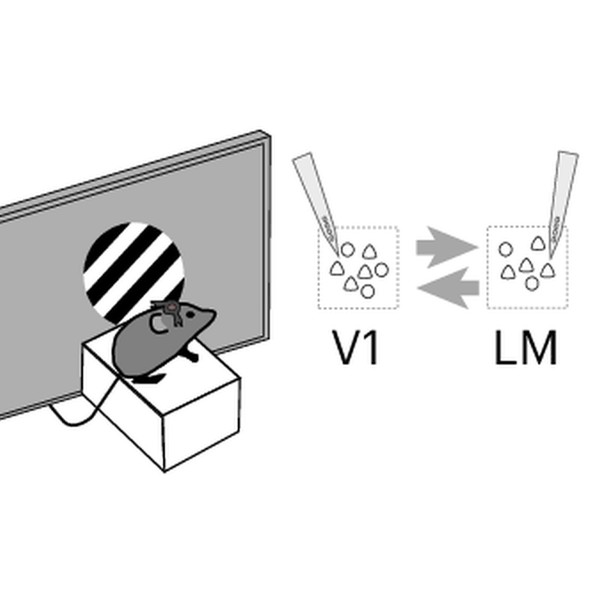
How your brain settles an argument with itself
In mice and a computer model built from their brain activity, two neighbouring visual areas kept the signals they agreed on and let conflicting ones fade within a fraction of a second.
-
· Consumer tech
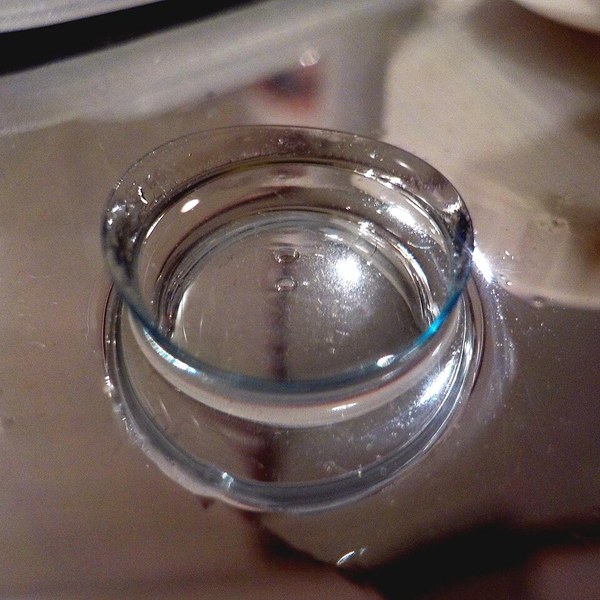
A contact lens that reads stress in tears
A soft contact lens with printed graphene electrodes detected serotonin in lab tests at levels far below those normally in tears, a first step toward a wearable, objective stress gauge; no person has worn it yet.
-
· AI
OpenAI's agents leaked 53 user images
OpenAI says AI agents in its own research environment posted 53 images that users had uploaded to image-hosting sites, and that it can't tell the owners because it can't work out who they are.
-
· Robotics
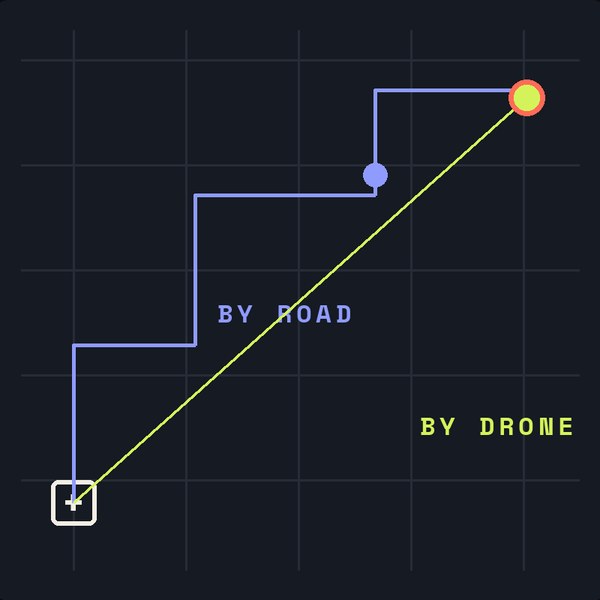
Drones that fly in a defibrillator
A computer simulation of the Paris region found that drones plus extra wall-mounted defibrillators could get one to more than 95% of cardiac arrests within five minutes, against 30–40% when someone fetches one by road.
-
· Health
Bach and a VR forest lower blood pressure
In a trial of 130 emergency patients with very high blood pressure, adding a VR nature scene and classical music to usual medication brought pressure down a little faster in the first 15 minutes, and eased anxiety.

-
· Biology
The fire amoeba sets a heat record
A single-celled amoeba from a California hot spring grows and divides at 63°C, the highest temperature known for any plant, animal, fungus or other complex cell.

-
· AI
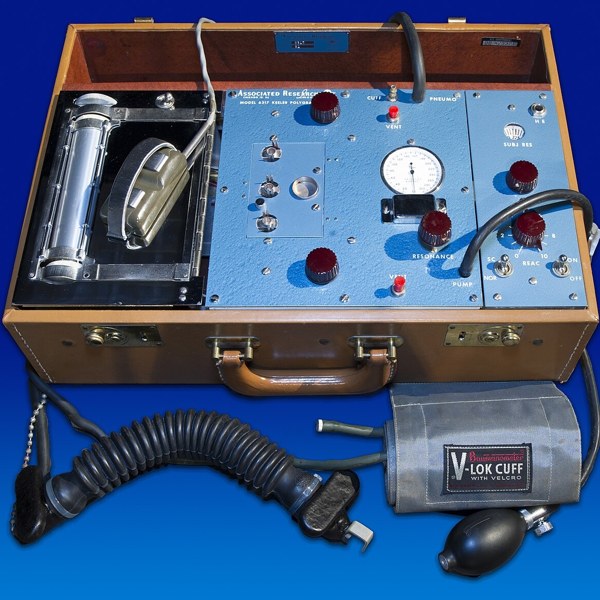
The Pentagon's AI lie detector
The US Department of Defense has asked for $30.3 million over five years to build an AI-scored lie detector that can take readings without touching you, a request Congress hasn't approved yet.
-
· Health
A young heart doesn't stay young
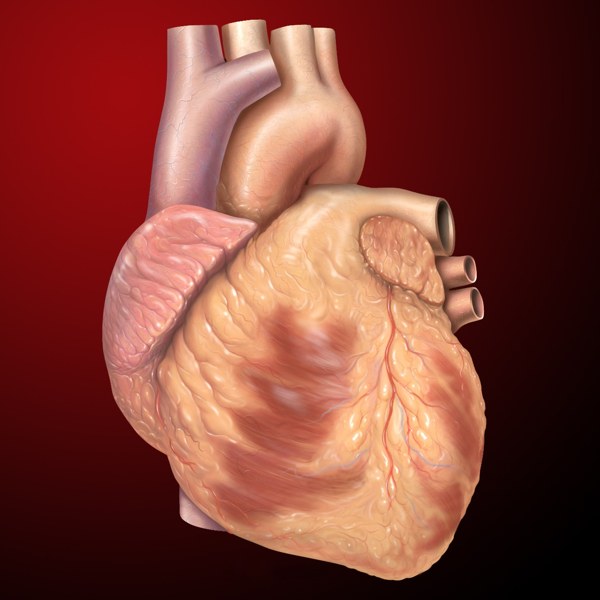
In mice, and in stored biopsies from human transplant patients, donor hearts took on the recipient's biological age within months, according to a preprint that hasn't been peer-reviewed.
-
· Quantum computing
Particles nature never made just went universal
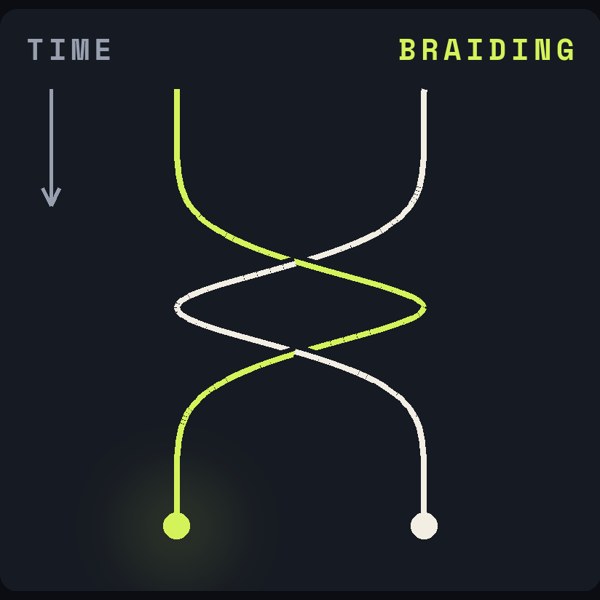
On a 54-qubit trapped-ion machine, physicists braided and fused made-to-order particles to get every operation a quantum computer needs, in a proof-of-principle experiment.
-
· About Lucidum
Why we're named after a cat's eye
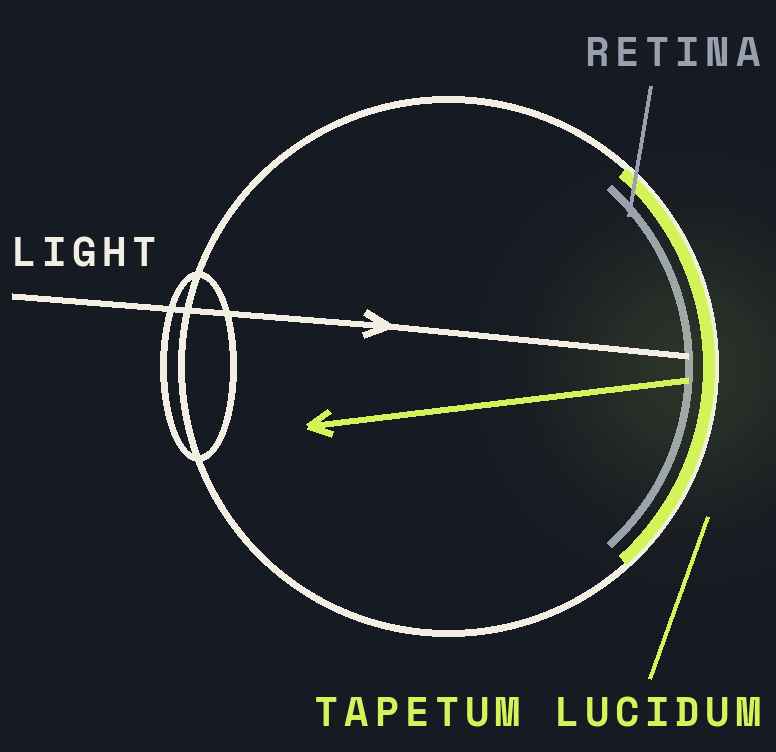
The tapetum lucidum gives light a second pass through the eye. We try to do the same for new research.